A new report released this week by the nonprofit Better Markets has raised concerns over a growing trend of U.S. public pension systems increasingly allocating funds to cryptocurrencies.
The report warns that more than 20 states have passed or proposed legislation in the past two years authorizing direct or indirect investment in digital assets by state-controlled retirement funds.
While supporters frame crypto as a potential tool to bridge pension funding gaps, critics argue that exposing retiree savings to highly volatile and speculative instruments risks undermining the long-term stability of the nation’s public pension infrastructure. The report deems this shift “one of the most pressing threats to public retirement systems in the modern financial era.”
States push forward despite growing volatility
The exposure has grown amid regulatory developments like the SEC’s approval of spot Bitcoin and Ethereum ETFs earlier this year.
Several U.S. states have taken aggressive steps to incorporate cryptocurrency into their pension or reserve fund strategies. Ohio’s State Teachers Retirement System recently allocated $43 million into shares of Strategy (MSTR), a firm with significant bitcoin holdings.
In October 2024, Florida Chief Financial Officer Jimmy Patronis sent a letter to the Florida State Board of Administration, the entity managing the state’s pension fund, urging it to allocate a portion of its assets to Bitcoin.
Additionally, in Texas, lawmakers passed SB 21, a bill laying the groundwork for a state-run bitcoin reserve. At the same time, Arizona saw a similar effort vetoed by Governor Katie Hobbs on the grounds of fiscal caution.
In February 2025, North Carolina initially proposed allocating up to 10% of its pension assets to digital assets, a move that faced immediate backlash.
The State Employees Association of North Carolina (SEANC) publicly criticized the plan as “reckless” and out of step with fiduciary standards. The proposal was ultimately scaled back to a 5% cap.
Also, earlier in February 2025, the State of Wisconsin Investment Board significantly increased its Bitcoin ETF holdings to approximately $321 million, consolidating its holdings entirely into BlackRock’s iShares Bitcoin Trust (IBIT) and dropping its Grayscale GBTC position, per SEC filings.

Furthermore, Michigan’s state pension fund has added 200,000 more shares of ARK’s Bitcoin ETF, bringing its total investment to $10 million.

Watchdogs call for caution as crypto faces market stress
Despite growing optimism from crypto advocates, watchdogs maintain that public pensions are not designed for speculative investment. ETFs, while regulated, do not insulate investors from underlying asset volatility. The report argues that wrapping crypto in institutional products merely adds a layer of abstraction without mitigating core risks.
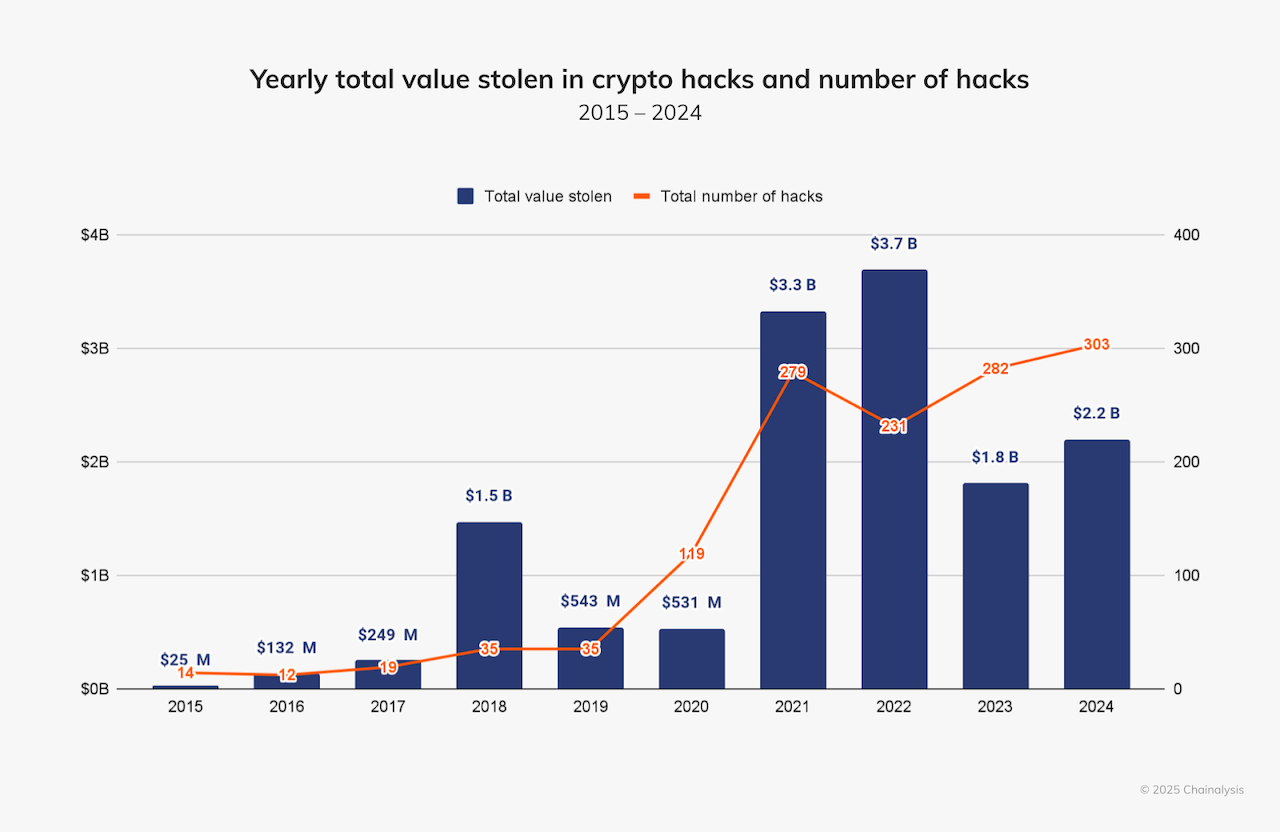
In 2024 alone, over $2.2 billion was lost to crypto exchange hacks. These are patterns that repeat with troubling regularity, making them ill-suited for the slow-and-steady philosophy of public pension investing.
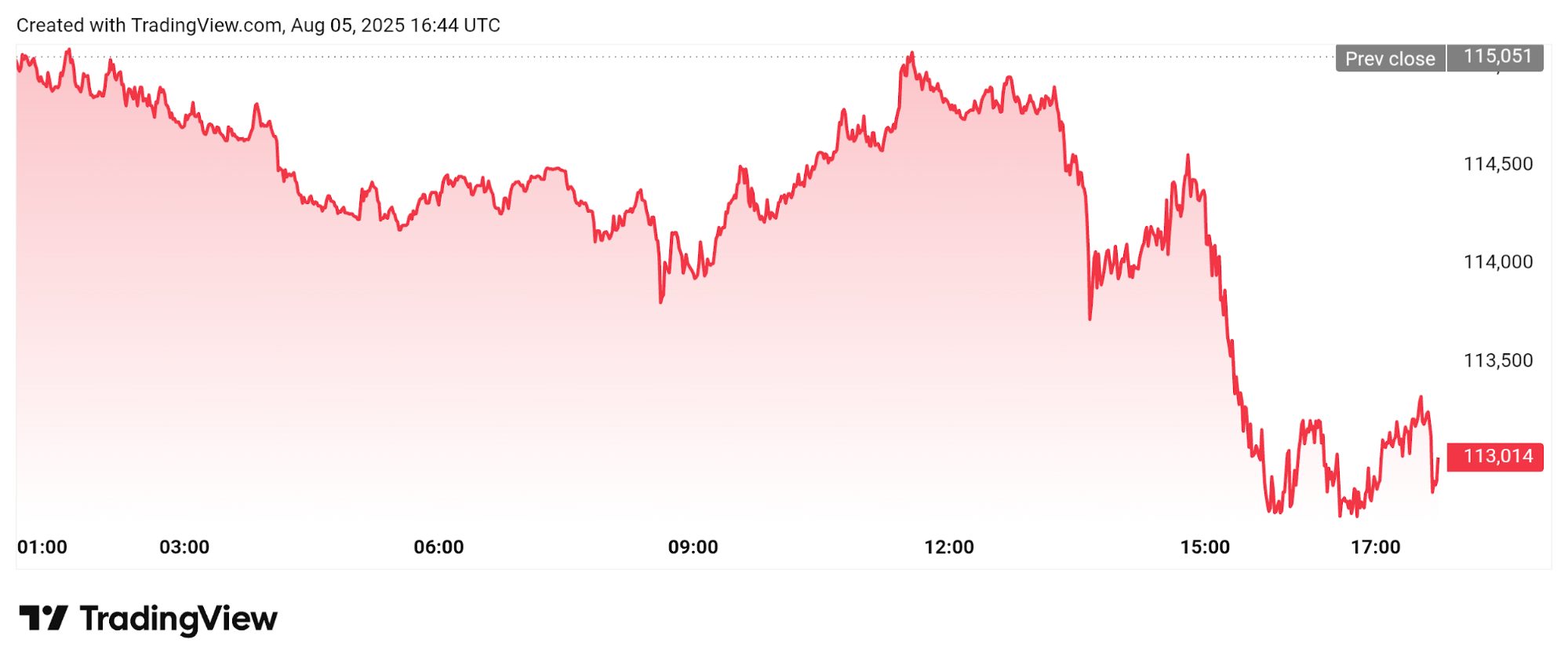
Recent crypto price action also reinforces those concerns. Bitcoin, after reaching a high of $123,000 in July, has declined to around $115,970 at the time this article was published, amid rising geopolitical tensions and liquidity concerns. If the $113,000 support level fails, analysts warn that a sharp retreat toward $100,000 could materialize.
Earlier this year, New York Attorney General Letitia James urged U.S. congressional leaders to keep pensions crypto-free. In a 14-page letter, James outlined six key dangers of an unregulated crypto sector, including price manipulation, fraud, threats to U.S. dollar dominance, and the extraction of capital from the American economy
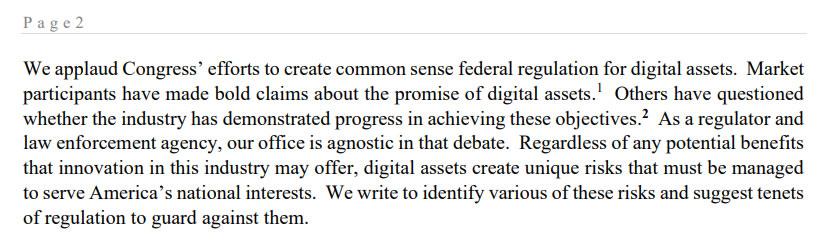
“Digital assets are uniquely unsuitable for retirement savings due to their high volatility,” she said.
According to a May 2025 SEC filing, the Wisconsin Retirement System has already pulled back, divesting $350 million from crypto-related holdings, and others may follow. Until a unified federal oversight framework is in place, the Better Markets’ report concludes, public pensions should avoid digital assets altogether to protect taxpayer-funded retirements.