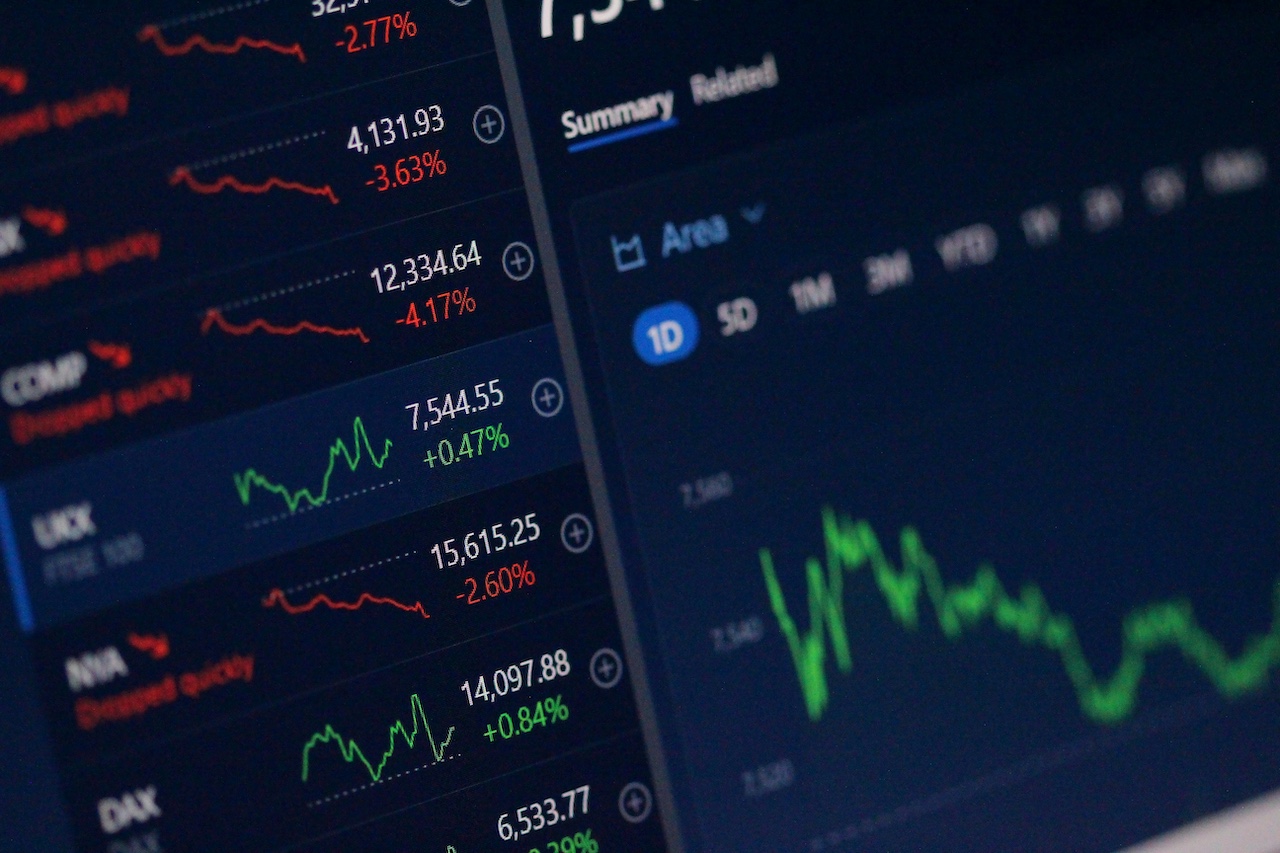
Choosing the wrong broker can cost you time, money and missed opportunities
Selecting a broker is the first step in investing, but it’s not always the easiest.
The wide range of brokers available today can make the selection process difficult and daunting, especially for beginner investors who may not know what investment options, trading tools and features they want from a broker.
And we all know it’s easy to stick with a provider out of convenience, even when unhappy.
Choosing the wrong broker can cost you time, money and missed opportunities — so it pays to get it right from the start.
Avoid these five costly mistakes when choosing a broker.
1. Not doing enough research
Take the time to compare your options carefully instead of rushing into the first broker you come across.
Comparison sites simplify the process by showcasing brokerage accounts and other financial products we’ve rigorously reviewed and many of which we’ve personally tested, so you can make an informed choice.
Still, you should use this information as a jumping-off point to find the best brokerage accounts for you. Like with investing, do your due diligence.
2. Choosing a broker without adequate asset variety
If you’re a beginner investor, stocks and exchange-traded funds (ETFs) might be enough to get you started. But as you learn and grow as an investor, you may find you’re interested in further diversifying your portfolio beyond these basics or adding riskier assets for the potential for greater returns.
The big traditional brokers offer the widest asset variety, but have limitations, too. For instance, E*TRADE and Charles Schwab don’t offer direct access to cryptocurrency. Mobile-first brokers like Robinhood, Webull and SoFi Invest continue to expand their investment offerings, but they’re still not as robust as bigger brokers. Consider the assets you might be interested in down the road as you compare providers.
3. Overlooking account types
Most brokers offer at least individual brokerage accounts, but what if you want to invest with a spouse or partner, save for your kid’s future or build your retirement savings?
An individual brokerage account might be sufficient as you get started, but individual retirement accounts (IRAs) are essential if you want to invest with tax advantages. Traditional IRAs let you deduct your contributions from your taxable income, while Roth IRA contributions and earnings grow tax-free and withdrawals in retirement are tax-free.
4. Ignoring the broker’s trading tools and technology
Some brokers offer outdated or subpar trading platforms that can limit your success or simply be frustrating and unenjoyable. Slow, glitchy platforms can lead to missed opportunities, while unenjoyable trading platforms can lead to decreased investment activity.
Moreover, you may not need the most advanced trading tools available, but access to analyst research, company financials, news feeds and technical analysis tools empowers investors to analyze markets and make more informed decisions.
Unless you’re a hands-off investor — even then, the broker needs to offer a robo-advisor or some type of managed portfolio — you might quickly find that a platform lacking adequate trading tools and technology is limiting.
5. Ignoring customer support
Many traders and investors underestimate the importance of good customer service until it’s their money on the line and they face login issues, order execution problems or platform outages.
Customer support quality and availability differ across brokers, and poor support can turn a minor technical issue into a frustrating and time-consuming ordeal. Choosing a broker with responsive, knowledgeable support can make a critical difference when time-sensitive problems arise.
Bottom line
Choosing the wrong broker can cost you time, money and missed opportunities, so compare your options and see which platforms check the most boxes for your goals and investment strategy.
However, if you find that your current broker doesn’t fit the bill, rest assured that many brokers reimburse the outgoing account transfer fee charged by your old broker, so switching brokers isn’t the end of the world.