Investors are more optimistic that the Fed will cut rates in September, but economists don’t share their enthusiasm.
Inflation rose 2.7% in July, which was the same as the previous month, according to the July Consumer Price Index report, produced by the Bureau of Labor Statistics.
The 2.7% 12-month inflation rate was better than the 2.8% rate estimated by economists.
However, core CPI, which excludes more volatile energy and food prices, came in at 3.1%, which was higher than the 2.9% rate in June. But it was in line with expectations.
The inflation rate for the month of July alone was also up, rising 0.3%, which was what economists expected. But it was up from 0.2% in June.
The question most investors are concerned about is what impact will this inflation report have on the Federal Open Market Committee (FOMC) when it meets to discuss interest rates on September 16-17?
Investors are bullish on a September rate cut
Food costs rose 2.9% in July, down slightly from 3.0% in June. Two of the six major grocery store food group indexes rose in July with dairy and related products rising 0.7% and meats, poultry, fish, and eggs rising 0.2%.
Energy prices dropped 1.6% over the past 12 months, which was lower than the 0.8% drop the previous month. On a monthly basis, energy prices dropped 1.1%. Also, the shelter index increased 0.2% in July and 3.7% over the last year.
For the month of July alone, the rent index rose 0.3% while the lodging away from home index fell 1.0%. In addition, the medical care index increased 0.7%, following a 0.5% increase in June. Dental services costs jumped 2.6% in July while the index for hospital and related services increased 0.4%.
Also, airfare soared 4% for the month, after declining 0.1% in June. Additionally, the price of used cars and trucks rose 0.5% in July while new vehicle costs were unchanged.
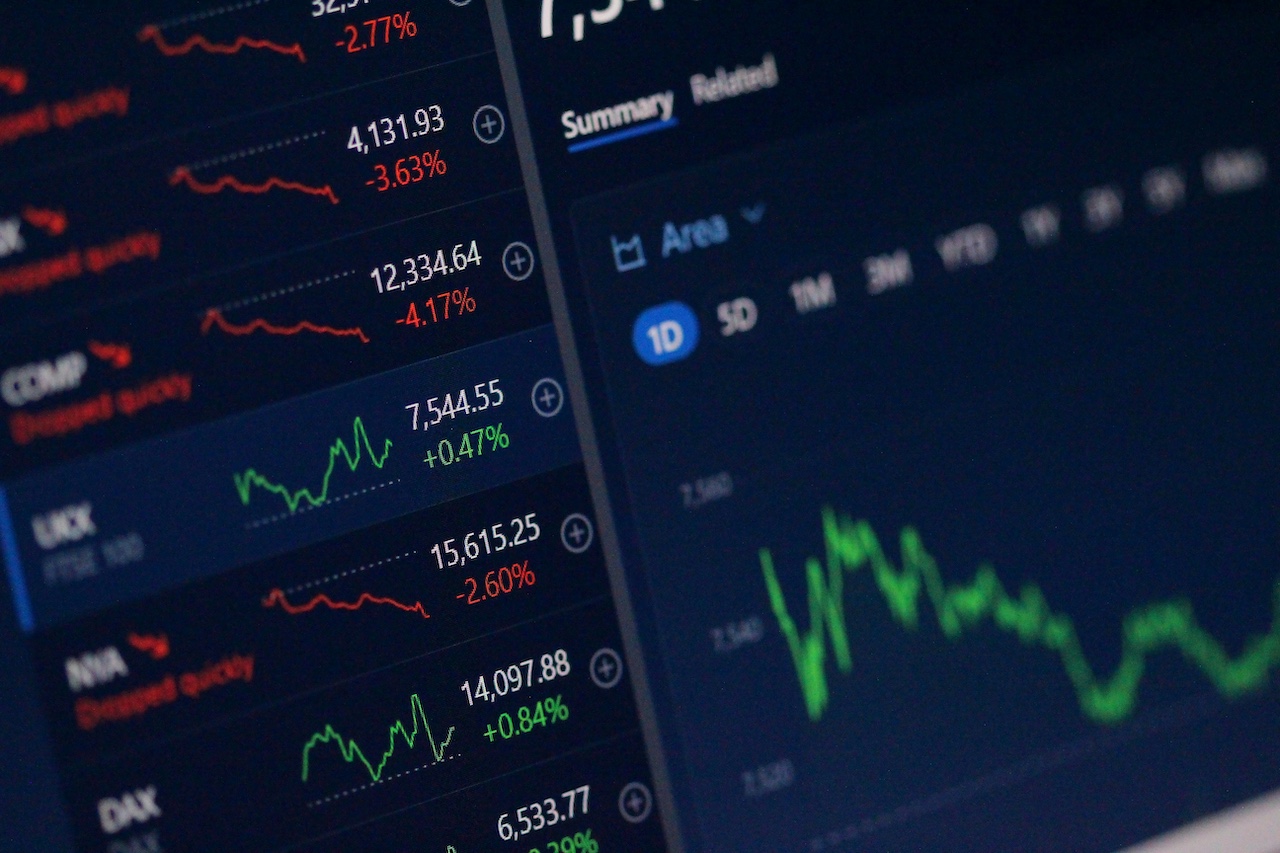
Despite the mixed results, investors took a more bullish view, as gauged by the CME FedWatch survey of interest rate traders.
The percentage of traders who expect the FOMC to cut rates by 25-basis points in September is now 91.8% after the CPI release, up from 85.9% on Monday.
Economists are less enthusiastic about a cut
Some economists don’t think the report is strong enough to convince the FOMC to lower rates.
“While one data point does not make a trend, two consecutive months of higher 12-month inflation will make it difficult for the Fed to justify a rate cut at their September 17 meeting,” said Larry Tentarelli, chief technical strategist for Blue Chip Daily Trend Report. “We remain bullish on the S&P 500 index into year end, but we do not expect a September rate cut unless the jobs market drops off drastically over the next 45 days. If the Fed has to choose between shoring up the labor market or fighting inflation, we believe they will opt to backdrop the labor market.”
Bill Adams, chief economist for Comerica Bank, largely agreed.
“For the interest rate outlook, the CPI report is an argument against a cut in September, but the jobs data to be released early next month will likely have a larger sway over the Fed’s next decision,” Adams said. “Comerica’s forecast is for the Fed to hold rates unchanged at the September decision, but it’s a close call. Another downside surprise from jobs data could easily tip the Fed’s balance of opinion toward a cut.”
However, Chris Zaccarelli, chief investment officer for Northlight Asset Management, said the July report won’t likely deter the Fed from cutting rates in September. Future reports over the next 30 days could, though.
“More importantly, there is one more jobs report (on 9/5) and one more CPI report (on 9/11) before the Fed meets again and those reports will take on even more importance as the Fed decides whether to cut rates to preemptively support the labor market or whether the inflation reports are concerning enough that they feel like they need to sit on their hands and wait,” Zaccarelli said.
Gina Bolvin, president of Bolvin Wealth Management Group, called the softer than expected July inflation rate “friendly for the Fed’s easing outlook. But with tariffs in play, investors should enjoy the calm while keeping an eye on the horizon.”