Can cryptocurrency platforms like Chainlink and Pyth bring more transparency to government data?
In a first-of-its-kind move, the U.S. Department of Commerce has partnered with Chainlink and Pyth Network to make official government economic data available directly on public blockchains.
Announced on August 28, 2025, the initiative delivers Bureau of Economic Analysis (BEA) data — such as GDP and inflation — on-chain, marking a milestone in the integration of Web3 infrastructure with traditional macroeconomic reporting.
For the first time, developers, decentralized applications (dApps), and financial protocols will be able to access the same verified BEA datasets relied upon by Wall Street, regulators, and policymakers.
The initial rollout covers ten blockchain ecosystems, including Arbitrum, Avalanche, Base, Botanix, Ethereum, Linea, Mantle, Optimism, Sonic, and ZKsync.
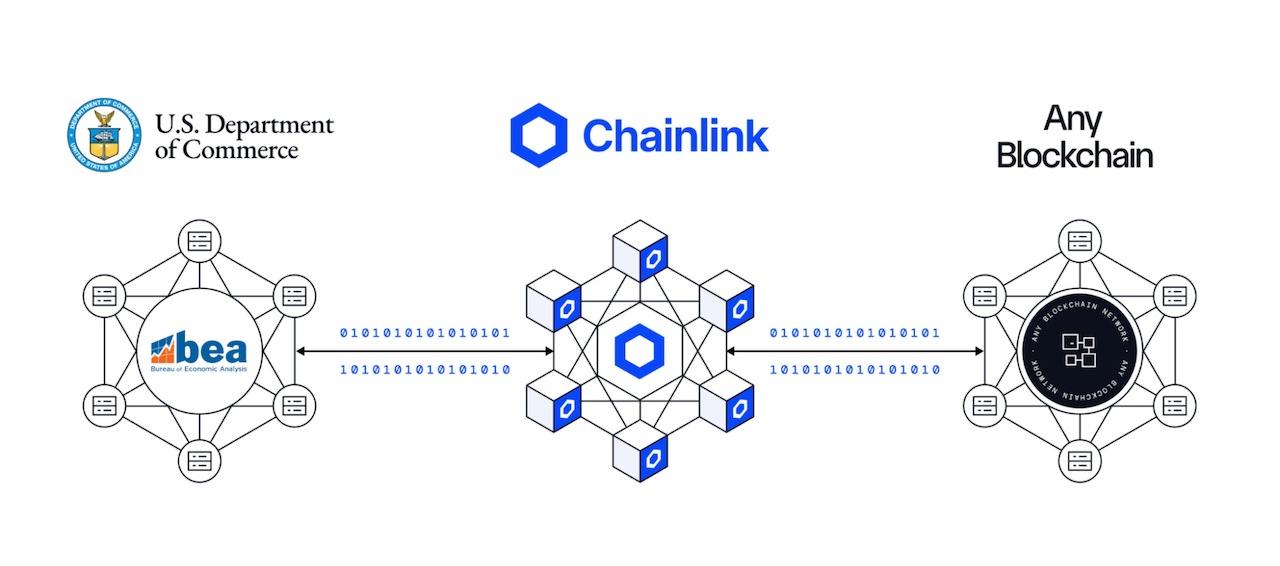
Developers across these networks can now plug into live BEA data without relying on centralized intermediaries, enabling smart contracts and DeFi protocols to react programmatically to real-world macroeconomic events.
At launch, six core data points have been made available on-chain:
- Real GDP (Level) – Output: Inflation-adjusted value of all goods and services produced in the U.S. (billions, chained 2017 USD) – shows the economy’s size.
- Real GDP (Percent Change) – Output Growth: Quarterly growth or contraction, annualized.
- PCE Price Index (Level) – Inflation: Measures consumer goods and services prices (2017=100).
- PCE Price Index (Percent Change) – Inflation Rate: Quarterly pace of consumer price inflation, annualized.
- Real Final Sales to Private Domestic Purchasers (Level) – Domestic Demand: Inflation-adjusted value of goods and services sold to U.S. consumers and businesses (billions, chained 2017 USD).
- Real Final Sales to Private Domestic Purchasers (Percent Change) – Domestic Demand Growth: Quarterly growth in domestic demand from private consumption and investment.
Why It Matters
The US Commerce Department partnership signals growing reliance on decentralized oracles for trusted data, reducing reliance on unverified, third-party economic feeds that can be manipulated or delayed.
With verified BEA feeds on-chain, pension funds, insurers, and corporates exploring tokenized treasuries can build products that benchmark directly against official GDP or inflation.
Stablecoins pegged to inflation-adjusted metrics, lending protocols that price risk in line with CPI, and derivatives tied to real economic performance could all emerge.
Pyth Surges, Chainlink Climbs Thanks to U.S. Commerce Partnership
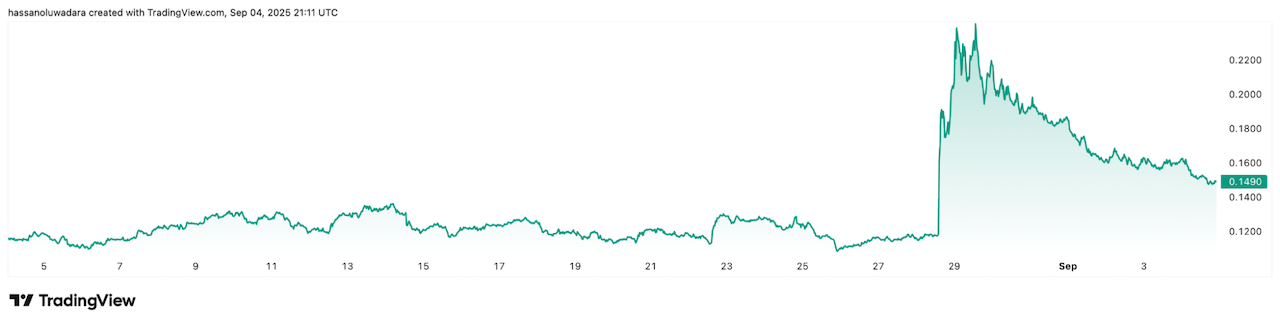
Markets responded sharply to the Commerce Department’s move into on-chain data. Pyth’s PYTH token jumped between 68% and 100% following the announcement, climbing from under $0.11 to over $0.19.
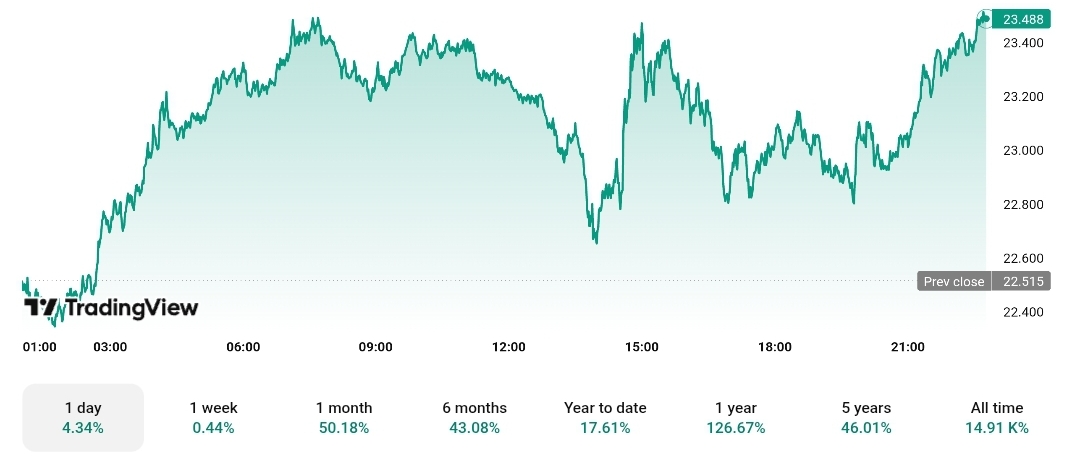
Chainlink’s LINK followed suit, extending its momentum over the past five days with an 11.6% rebound from $21.06 to around $23.49.
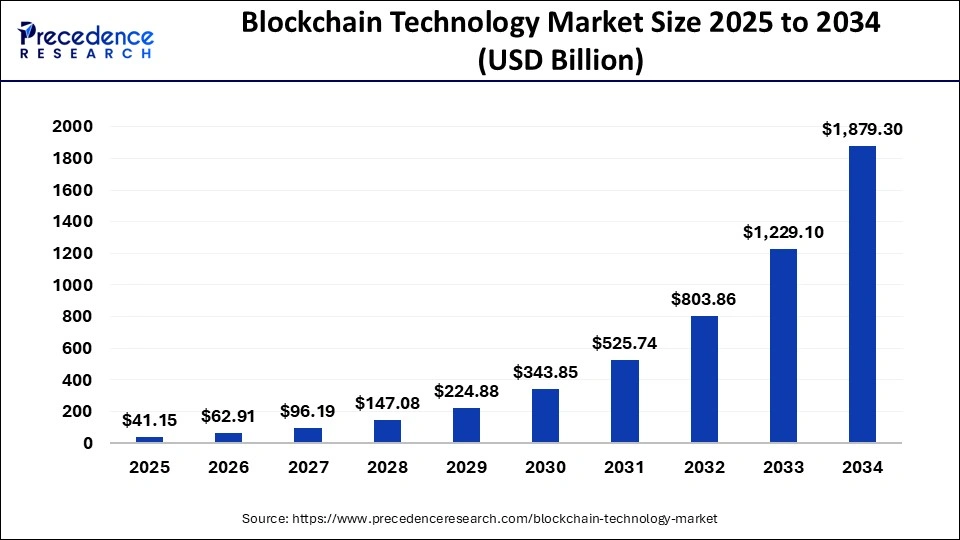
In a recent report, analysts project that the blockchain market could expand from roughly $18.3 billion in 2024 to between $1.41 trillion and $1.88 trillion by 2034, driven by growing demand for secure, transparent, and verifiable infrastructure across industries.