On Sunday, June 22, Iran’s parliament passed a bill to block the Strait of Hormuz following the US attack on three Iranian nuclear sites. The Strait of Hormuz is a narrow waterway, but it is critical, as around 20% of the world’s oil passes through it daily.
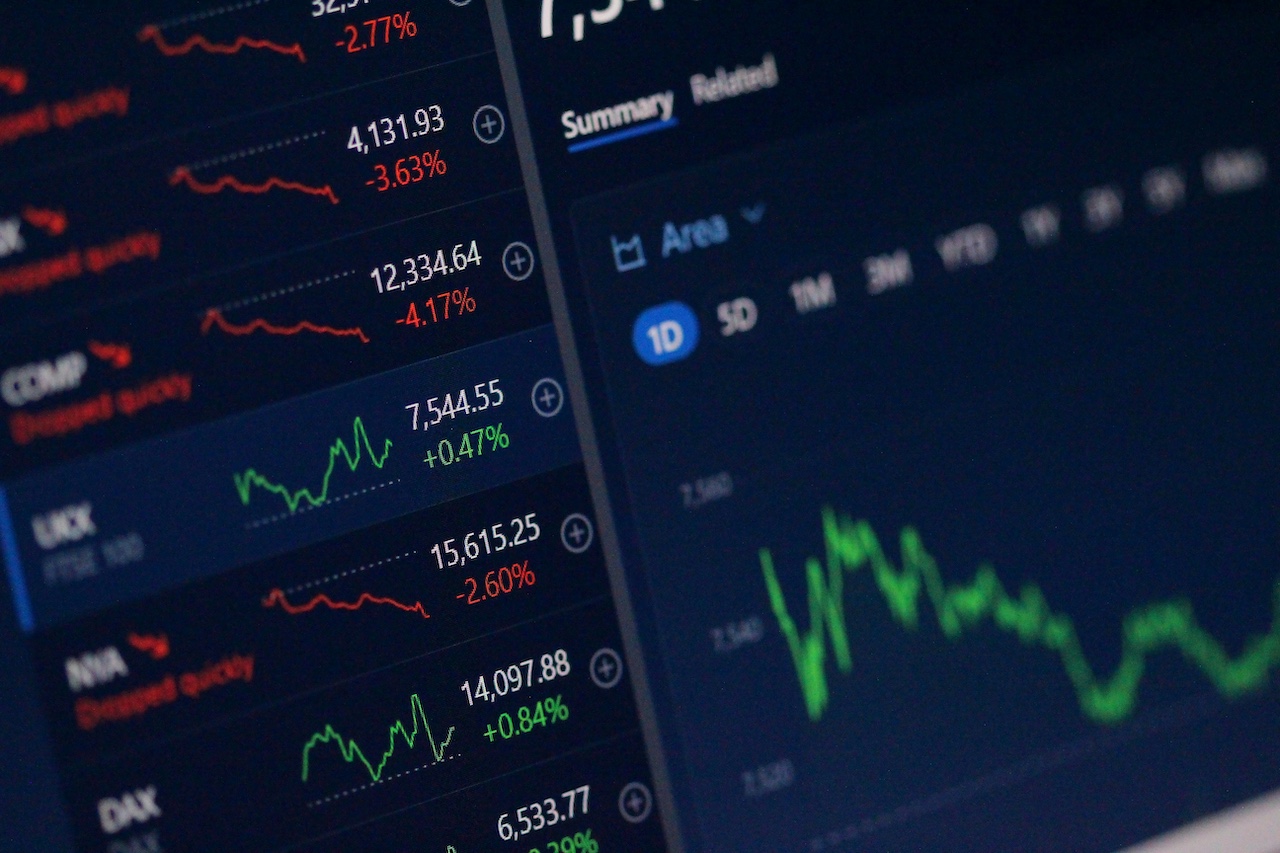
Blockading the strait could shake global energy markets, bringing into question the recent rise of oil futures, which saw Brent crude, the international benchmark, gain 5.7% within a day after the US strike.
Events like this cause uncertainty and price changes across oil, natural gas, and related assets. In light of rising volatility, platforms like XTB become essential, as they provide retail traders with the tools to stay competitive during quickly shifting markets.
Oil and Energy Markets on Alert
The Strait of Hormuz is the central shipping lane for global oil exports from Saudi Arabia, the United Arab Emirates (UAE), Qatar, Iraq, and Iran. The daily volume of petroleum transported through the strait is around 20 million barrels per day in 2025, according to the US Energy Information Administration.

If Iran shuts it down or limits traffic, the oil supply could tighten significantly. In anticipation of such events, the Brent crude oil benchmark increased from $69 per barrel on June 12 to $77 on June 23. JPMorgan analysts forecast that a closure of the Strait of Hormuz could push oil to the $120–130 range.
However, not everyone is convinced that Iran will follow through. Vandana Hari, founder of Vanda Insights, recently told CNBC’s Squawk Box Asia that she believes the closure of the Strait of Hormuz is unlikely to happen.
That’s because Iran mainly exports its oil to China, and a move to close the Strait could harm relations between these two countries.
Depending on what Iran does next, the price of oil and related assets are bound to be affected.
XTB Lets Users Trade the Moves
Traders and investors looking to act could find XTB’s offering on oil CFDs (Brent and WTI) indispensable in the current geopolitical climate. These instruments enable users to go long or short using leverage, without having to own the underlying asset.
Spreads on these assets are as low as 0.008 pips with minimal swap rates, allowing investors to hold their positions for longer. Additionally, investors can trade with microlots of 0.01 to test the platform or try new strategies.

XTB offers stop-loss orders, pending orders, and take-profit orders, enabling users to execute trades without needing to monitor prices throughout the day.
Stocks and ETFs tied to the energy sector are also available on XTB. Users can trade with 0% commission on stocks and ETFs, up to a monthly turnover of 100,000 EUR (or equivalent in their account currency). After that, the fee is 0.2% with a minimum of 10 EUR.
Diversifying with Investment Plans
XTB offers Investment Plans, which allow users to make automated payments within a specified period, with a predefined amount, and via a preferred deposit method. These funds can be invested in any of the 1,400 ETFs, including those focused on oil and natural gas.
The same fee structure applies, with a 0% commission up to 100,000 EUR in monthly turnover and 0.2% (minimum 10 EUR) thereafter.
Everyone can start creating their investment plans for as little as 15 EUR or the equivalent in their account currency.

Traders Responding in Real Time
The current Middle East standoff serves as a reminder of how quickly global news can impact financial markets. A political decision made in Tehran can have a ripple effect on oil, stock markets, and international currencies.
Having access to real-time prices, global instruments, and fast execution is key, which is why choosing a platform like XTB could be worthwhile when markets get jumpy.
XTB already boasts over 1.6 million clients and has achieved over 5 million app downloads. Investors can trade on the go with a mobile app and trade over 8,000 assets. There’s also a demo account for those looking to try new strategies without risking their money or to test the platform.