Amid mounting pressure from his own party, Joe Biden will not stand for reelection in November. But what does this mean for the stock market?
The news that President Joe Biden will not seek reelection stopped most people in their tracks on a Sunday afternoon. It puts the presidential race in a state of flux like we haven’t seen since 1968, and investors may wonder what it all means for stocks.
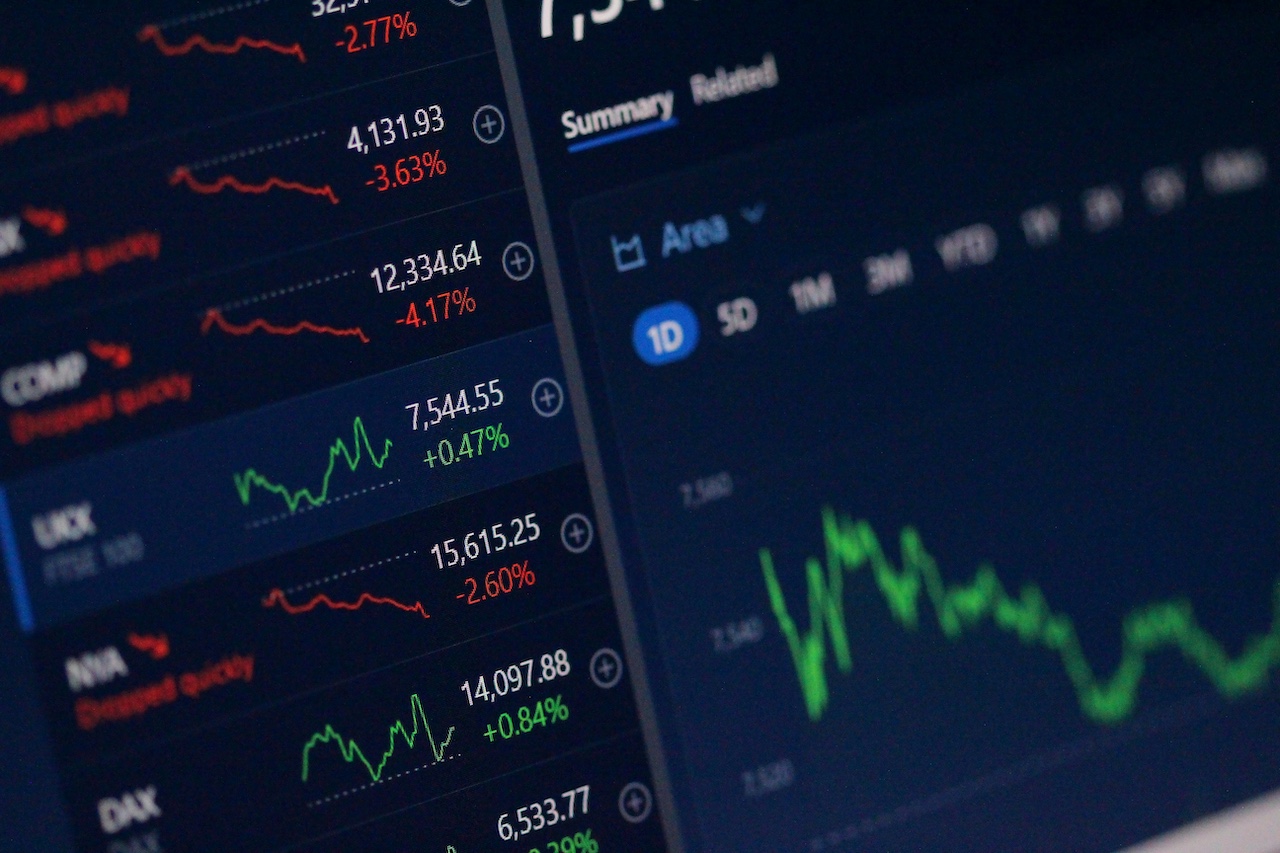
In the immediate aftermath, stocks were rising on Monday morning. The S&P 500 jumped 0.7%, while the Nasdaq Composite had the biggest jump, up 1.3%. The Dow Jones Industrial Average was flat, while the Russell 2000 gained 0.5% in early trading.
But just what does that mean for stocks? Let’s take a look.
Odds show Harris closing the gap
Since the disastrous debate performance from Biden on June 27, Republican nominee Donald Trump had been moving steadily ahead in the race. Offshore betting sites were touting Trump as the prohibitive favorite over Biden, with average odds of -150 versus +375.
Polls also showed Trump beating Biden, although the margin varied. A recent CBS News/YouGov poll had Trump up 52% to 47%, yet a Fox News poll had it 49% to 48% in favor of Trump, while an NPR/PBS poll had Biden leading 50% to 48%.
After Biden dropped out Sunday, Vice President Kamala Harris saw her odds increase dramatically, even better than Biden’s, at about +200, according to BetOnline, while Trump’s odds dropped to -200.
While new polling since Biden dropped out is not yet available, before Biden’s announcement, Harris was polling better against Trump in the CBS News/YouGov poll, trailing 51% to 48%, and about the same as Biden in the others.
But this was before Biden left the race and she became the front runner. It appears that with Biden out, the race will be a total reset.
The impact on stocks and crypto
The Nasdaq was the biggest mover on Monday, up 232 points, or 1.3%, as of 10:00 a.m. ET, which could be construed as a vote of confidence in Harris as the candidate over Biden. The Biden Administration, through the CHIPS and Science Act, among other initiatives, has invested heavily in technology, so markets may view Harris as a better option than Biden to win.
Also, the tech rally could signal renewed confidence in interest rates dropping, as a group of 16 Nobel Prize-winning economists wrote in late June that Trump’s policy could “reignite” inflation.
The other telltale sign of the Biden announcement shaking up markets is that the price of Bitcoin was down some 1.71%, or more than $1,000 per share, on Monday. The crypto market had been rising as the chances of a Trump victory improved, with Trump viewed as being more favorable to the crypto market.
Expect uncertainty
But these are simply near-term reactions. Until the Democrats have confirmed a candidate, likely Harris, to replace Biden, analysts say we should expect volatility. And even then, it should continue until Election Day.
“For starters, markets don’t like uncertainty, and some of the strength in risk assets through the summer was likely due to the increased likelihood of a Republican sweep,” said Elyse Ausenbaugh, global investment strategist at JPMorgan Chase.
“We wouldn’t be surprised to see more turbulence as the presidential race evolves.”
CBOEʻs Volatility Index, or VIX, was down 5% on Monday, to 15.70, but it is still at its highest point since April when it hit 19%, and the markets were down that month.
For now, Ausenbaugh encourages investors to focus on what will probably stay the same no matter who is in office, citing stocks related to security (energy, cyber, supply chain, and traditional defense) and infrastructure.
“Investing in the resulting infrastructure build is one of our highest conviction ideas,” she said.
Analysts also caution investors not to get too caught up in the presidential election machinations, as other factors will determine the path of stocks.
“The election is not in the top three priorities in terms of market considerations, as earnings, Federal Reserve, and geopolitics are a bigger driver of markets,” David Bahnsen, founder and chief investment officer of the Bahnsen Group, told US News and World Report.
To that point, this will be a big week for tech earnings and economic news, as the Q2 GDP comes out Thursday and the Personal Consumption Expenditures report on inflation is released Friday.