Have you ever wondered if there are regions that do not tax crypto traders and investors? While certain regions are quite strict regarding gains made on digital assets, several countries have adopted favorable tax terms for crypto holders and traders.
This means cryptocurrency investors in such countries can avoid crypto taxes legally and trade freely without worrying about capital gains or income tax.
This guide provides an overview of crypto tax-free countries and also notes some of the worst nations regarding crypto taxation.
Countries with no crypto taxes – A quick look
Here is a quick look at some of the top nations offering tax-free conditions for cryptocurrency in 2026:
| El Salvador | Germany | Hong Kong |
| Portugal | Puerto Rico | Switzerland |
| Malaysia | Malta | Cayman Islands |
| Bermuda | British Virgin Islands | Panama |
| Georgia | Slovenia | Seychelles |
| Monaco | United Arab Emirates | Singapore |
A closer look at crypto-friendly countries
Below are some of the best regions for crypto traders and investors, as they do not have crypto taxes. While this guide is for the current year, laws shift over time; you should do your due diligence before making your decision.
El Salvador
El Salvador made history in 2021 as the world’s first nation to adopt Bitcoin as legal tender. To attract global cryptocurrency investors, the government offers tax incentives on Bitcoin gains for foreign investors.
However, it is important to note that El Salvador’s Bitcoin policies have faced challenges in the past, including technical issues with the government’s BTC wallet, Chivo, and public skepticism. In 2024, the government agreed to scale back its policies on bitcoin as part of a deal with the International Monetary Fund (IMF).
Despite these setbacks, El Salvador continues to offer tax exemptions to crypto investors.
Germany
Germany offers friendly tax terms for individual crypto investors. As of 2025, any individual holding crypto assets for over a year is tax-exempt from any profits they make after selling the assets. For assets sold within a year, the tax exemptions apply to up to $1,121 (€1,000); amounts above this threshold are subject to income tax.
This policy encourages individuals to invest in cryptocurrency in the long term. However, corporations and professional crypto traders are subject to different tax laws.
Germany’s straightforward regulatory framework offers legal certainty for crypto investors seeking a safe haven for long-term investments.
Hong Kong
Hong Kong is a Special Administrative Region (SAR) of China with its own governing and economic systems. It maintains a territorial tax system that taxes only income earned within its borders. As of 2025, Hong Kong has no capital gains tax on crypto investment for individuals. However, all professional crypto trading may be subject to income tax.
In a bid to enhance its status as a wealth management hub, Hong Kong has proposed extending crypto tax exemption to hedge funds, private equity funds, and family offices. This measure underscores Hong Kong’s commitment to advocating crypto adoption and providing a crypto-safe jurisdiction.
Portugal
Portugal offers crypto tax incentives to long-term investors. As of 2023, the country offers tax relief for all profits earned from selling crypto assets held for over a year by individual traders. However, earnings from crypto sales held under a year are subject to a flat 28% tax.
Earnings from crypto activities such as mining, staking, and professional trading are subject to a progressive tax rate ranging from 14.5% to 53%, depending on the total income. Additionally, Portugal offers additional tax benefits to new residents through their Non-Habitual Resident (NHR) program. This has made the country attractive for investors seeking friendly tax terms.
Puerto Rico
Puerto Rico has unique tax terms for United States citizens through Act 60, offering a 0% capital gains tax for permanent residents. The qualifications for these tax advantages include spending a minimum of 183 days annually on the island, establishing a primary residence, and demonstrating in-depth connections with Puerto Rico rather than the mainland United States.
Furthermore, the state offers a reduced 4% corporate tax on corporations’ eligible income. However, all income earned before establishing Puerto Rican residence may still be subject to U.S. taxes.
Switzerland
Switzerland treats cryptocurrencies as assets and exempts individual traders from capital gain taxes. However, wealth tax applies to the total of cryptocurrency holdings, with rates varying depending on your region.
Professional investors and traders, as well as corporations dealing in cryptocurrencies, are subject to income tax on profits. The country’s clear regulations and friendly tax terms make it a favorable destination for crypto investors worldwide.
Malaysia
Malaysia offers a favorable tax regime for individual crypto traders and investors. The country does not tax capital gains from occasional cryptocurrency sales. However, regular crypto trading may be considered a business, and therefore, subject to income tax. The Inland Revenue Board assesses each transaction individually to determine tax liability.
In addition, the country does not tax goods and services or impose a value-added tax on crypto transactions. Malaysia also does not impose wealth or inheritance taxes on digital assets.
Malta
Malta, often called the ‘blockchain island’, is among the top countries with clear crypto regulatory frameworks. The government does not tax capital gains for individual crypto holders and traders. However, frequent crypto trading that appears like a business activity may be subject to income tax rates ranging from 15% to 35%, depending on annual income.
Corporations engaged in professional trading or similar blockchain activities are subject to a flat tax rate of 35%. With proper structuring, this can be reduced to between 0% and 5%.
Cayman Islands
The Cayman Islands are famous for being a tax-neutral jurisdiction. The country does not impose taxes on income, capital gains, or corporate taxes on individuals or entities. This makes the Cayman Islands a favorite destination for cryptocurrency investors and business entities.
The Cayman Islands has established a regulatory framework for digital asset service providers that complies with international standards while maintaining its favourable tax environment. The country does not restrict or require a license specifically targeted at the ownership, holding, or trading of crypto assets for individual use. However, entities involved in crypto trading or related activities may be required to register and obtain a license.
Bermuda
Bermuda offers tax-friendly terms with no income, capital gains, or value-added tax on crypto assets. This crypto tax policy has attracted many blockchain and fintech businesses to the islands. The government has embraced digital assets and implemented comprehensive regulatory frameworks to govern digital assets and initial coin offerings.
This regulatory clarity and favorable tax environment attract crypto investors and entities seeking a stable and supportive environment. The country’s commitment to innovation and compliance makes it a key player in the global crypto landscape.
British Virgin Islands
The British Virgin Islands (BVI) offers a favorable tax environment with capital gains, inheritance, sales, or gift taxes on crypto transactions. While the BVI does not have a laid-out framework governing cryptocurrencies, it has become a popular destination for crypto traders thanks to its flexible corporate structures and friendly tax regime.
Companies must ensure compliance with international anti-money laundering laws and know-your-customer regulations. The BVI’s tax advantages and corporate flexibility have made it an attractive option for crypto investors.
Panama
Panama has a territorial tax system that taxes only income generated within its borders. Consequently, gains from crypto trading conducted outside the country are not subject to taxation. In 2022, Panama’s national assembly passed legislation terming crypto assets as foreign-source income. This policy offers crypto investors tax efficiency and emerging regulatory clarity.
However, it is important to note that while the national assembly passed the bill, it requires the president’s signature to become law. As of 2025, the law’s enactment status remains uncertain. Investors should consult local regulations and stay up to date with any developments.
Georgia
Georgia offers a friendly crypto tax environment for individual investors. The country operates a territorial tax system, meaning only income from within its borders is subject to taxation. According to the country’s tax code and a public decision by the Ministry of Finance, gains from the sale of crypto assets are considered foreign-source and therefore exempt from income tax.
Individuals must be tax residents to benefit from these conditions, meaning they should have spent at least 183 days in Georgia within 12 months. However, Georgia taxes legal entities on their worldwide income, including crypto gains.
Slovenia
Slovenia offers a nuanced tax system for cryptocurrency activities. For individual crypto traders and investors, capital gains from the sale of crypto assets are exempt from income tax. However, if trading appears as a permanent business activity, profits may be subject to taxation at progressive rates of up to 50%.
The Financial Administration of Slovenia assesses each case individually to determine its tax liability based on transaction frequency and structure. The country taxes mining income under personal income tax. Corporations are subject to a 19% corporate income tax on cryptocurrency-related profits. While value-added tax applies to certain crypto activities, exchanges between fiat and crypto are VAT-exempt.
Seychelles
Seychelles is known for its friendly tax regime. It imposes no personal income or capital gains tax on individuals, making it a favorite destination for crypto exchanges and businesses. The country has minimal regulatory issues, which gives traders and corporate entities significant freedom of operation.
While its regulatory framework is still developing, Seychelles has made notable efforts to comply with international anti-money laundering standards. Several noteworthy crypto exchanges, including OKX and BitMEX, have been incorporated in Seychelles. However, since the framework is still developing, investors and entities should stay updated about the latest developments.
Monaco
Monaco provides individual residents with a favorable tax environment, with no income tax, including profits from cryptocurrency sales. This makes it a favorable locale for high-net-worth individuals involved in crypto activities. However, corporations are subject to taxation. Also, French citizens residing in Monaco are not tax exempt due to certain bilateral treaties between the two nations.
Monaco is also embracing digital innovation, including an identification system based on blockchain technology. Monaco is among the few European countries where residents can enjoy tax-free crypto profits in a well-regulated, stable jurisdiction.
United Arab Emirates
The United Arab Emirates (UAE) is a tax-free jurisdiction for individual crypto investors. As of 2025, the country has no personal income tax or capital gains tax on crypto profits, including trading, holding, or staking digital assets. Furthermore, effective January 1, 2018, the UAE has exempted crypto transactions from the 5% VAT. This exemption applies to crypto activities such as transferring or converting digital assets.
However, businesses engaged in crypto activities are subject to a 9% corporate tax on gains above $102,000 (AED 375,000). These friendly tax terms have made the UAE an attractive destination for crypto investors seeking a tax-free jurisdiction.
Singapore
Singapore does not enforce a capital gains tax, meaning individual investors who trade cryptocurrencies as long-term investments do not pay tax on their profits. This policy makes Singapore a favorable jurisdiction for investors seeking tax-efficient environments.
However, suppose the crypto activities are deemed business, especially if the individual trades frequently or provides crypto-related services. In that case, the gains may be considered business earnings and subject to income tax at a progressive rate of up to 22%.
For corporations, profits from crypto transactions are subject to the standard corporate tax rate of 17%. Furthermore, Singapore exempts all digital payment tokens from Goods and Services Tax when used for transactions.
How does crypto tax work?
Cryptocurrency tax systems vary from country to country, primarily falling into two categories: income tax and capital gains tax. In many jurisdictions, selling digital assets at a profit subjects the trader to a capital gains tax, with rates varying depending on the holding period. Short-term gains are typically taxed more heavily than long-term ones.
Crypto activities such as staking, mining, or receiving crypto as payment can be taxed as income, and accurately calculating these liabilities often requires using specialized crypto tax software.
However, some countries have favorable tax terms. For instance, the UAE and the countries listed above offer tax-free terms for individual traders’ crypto transactions.
Conversely, jurisdictions like Japan impose higher tax rates on cryptocurrency income, with rates ranging between 15% and 55%, depending on the level of income. Many countries have regulatory frameworks under development, and the laws keep evolving. As such, it is advisable for traders to stay informed about tax implications in their jurisdictions of interest.
What defines a crypto tax-free country?
A nation being crypto tax-free sounds like a fairly simple equation, but there are several key factors that can contribute.
The worst countries for crypto tax
While some jurisdictions offer tax-free environments for crypto traders, others impose rigorous tax systems that could significantly impact profits.
Denmark
Denmark is among the nations with the highest tax rates on cryptocurrencies. The country taxes crypto gains as personal income, with rates going up to 56%. The Danish Tax Authority monitors crypto transactions closely and requires detailed filing even for minor transactions.
Both capital gains and income from crypto activities, such as mining and staking, are subject to these high tax rates.
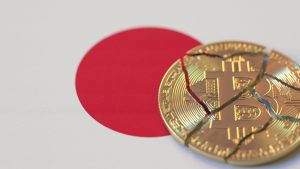
Japan
In Japan, crypto profits are categorised as miscellaneous income and subject to progressive tax rates of up to 55%. There is no distinction between short-term and long-term holdings, and crypto losses cannot offset other income.
These stringent taxes have caused some investors to underreport their gains, leading to increased scrutiny from tax authorities.
India
India imposes a flat 30% tax on all crypto gains, and losses cannot offset other income. Additionally, there is a 1% tax deduction at source, which applies to most crypto transactions, creating a significant compliance burden.
These stringent tax measures have driven many crypto traders to offshore exchanges, seeking more favorable environments.